



One of the most common questions asked by new traders is whether they should begin with a live account or spend time practicing first. Financial markets can move quickly, and understanding how trading platforms, market orders, and risk management tools work is often easier when traders can learn in a simulated environment.
For those searching "Does FISG offer a demo account?", it is useful to first understand the purpose of demo trading and how practice accounts can support trader development. A demo account is often one of the most valuable educational tools available to both beginners and experienced traders who want to test new ideas without risking real capital.
At FISG InterStellar Group, education and preparation are important components of responsible market participation. Before entering live markets, many traders choose to spend time developing their skills and building familiarity with trading platforms such as MT4 and MT5.
The Basics
What Is a Demo Trading Account?
A demo account is a simulated trading environment that allows traders to practice using virtual funds rather than real money.
The purpose of a demo account is to help users:

-
●
Learn platform functionality
-
●
Understand market mechanics
-
●
Practice order placement
-
●
Test trading strategies
-
●
Develop risk management skills
Because no real capital is involved, traders can focus on learning and experimentation without the emotional pressure often associated with live trading. Demo accounts have become a standard educational resource throughout the online trading industry.
New Traders
Why New Traders Use Demo Accounts
For beginners, financial markets can initially seem complex. New traders often need time to understand:
-
●
Currency pairs
-
●
CFD products
-
●
Market terminology
-
●
Chart analysis
-
●
Order types
-
●
Risk management concepts
A demo account provides an opportunity to gain practical experience while developing confidence in a controlled environment. Many experienced traders recommend practicing first before committing real funds to live market conditions.
At FISG, education remains an important part of helping traders build a strong foundation.
Platform Familiarity
Demo Trading and Platform Familiarity
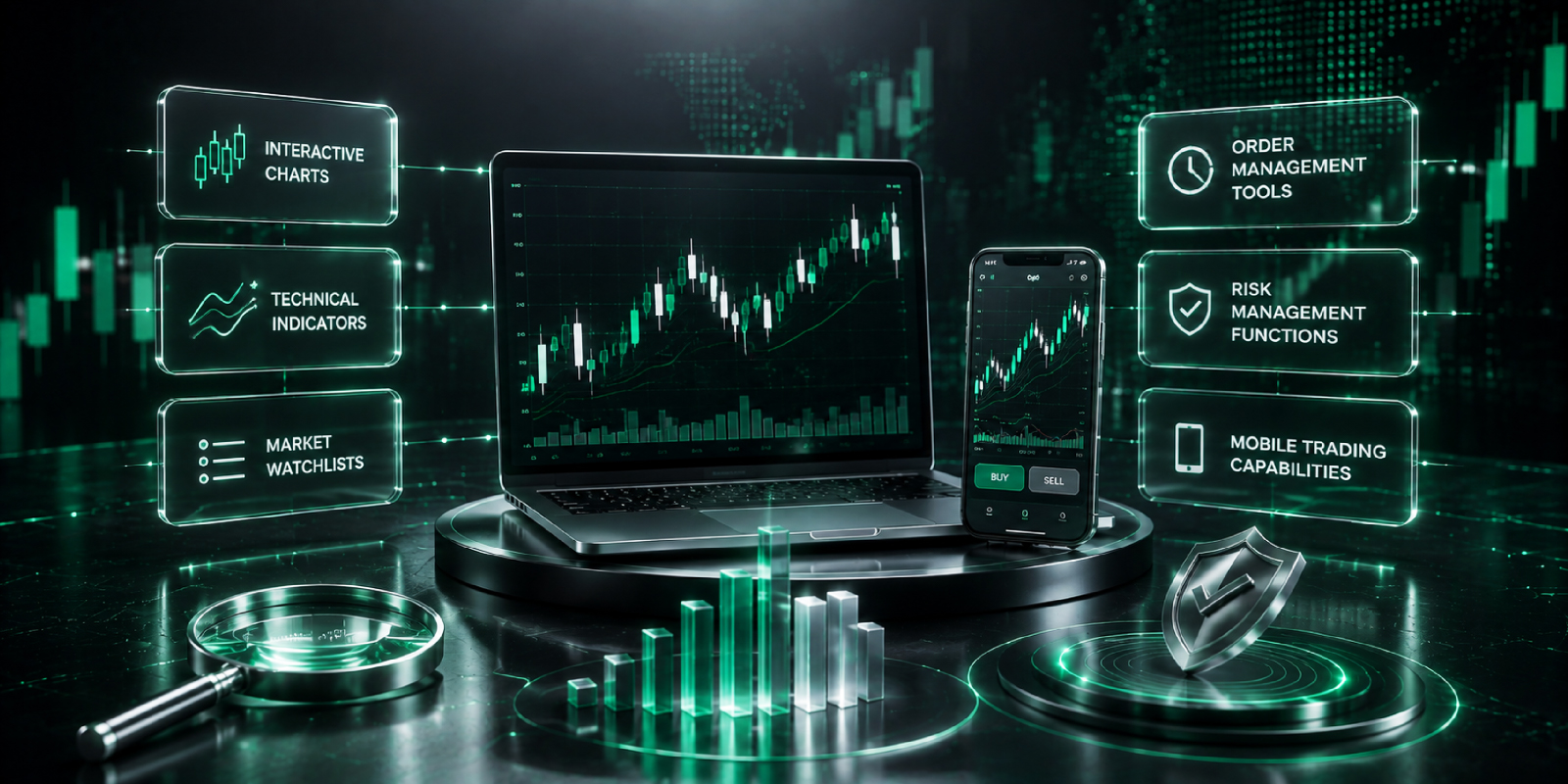
Learning how to use a trading platform effectively can be just as important as understanding the markets themselves. Through MT4 and MT5, traders have access to a wide range of features, including:
-
●
Interactive charts
-
●
Technical indicators
-
●
Order management tools
-
●
Market watchlists
-
●
Risk management functions
-
●
Mobile trading capabilities
A demo environment allows traders to explore these tools and become comfortable with platform navigation before participating in live trading. Understanding platform functionality can help reduce errors and improve overall trading efficiency.
Strategy Testing
Testing Trading Strategies
Demo accounts are not only useful for beginners. Many experienced traders use practice accounts to test:
-
●
New trading strategies
-
●
Technical indicators
-
●
Automated systems
-
●
Risk management techniques
-
●
Market analysis approaches
Testing ideas in a simulated environment can help traders evaluate strategy performance under different market conditions. While demo results do not guarantee future outcomes, they can provide valuable insights during the development process.
Demo vs Live
Understanding the Difference Between Demo and Live Trading
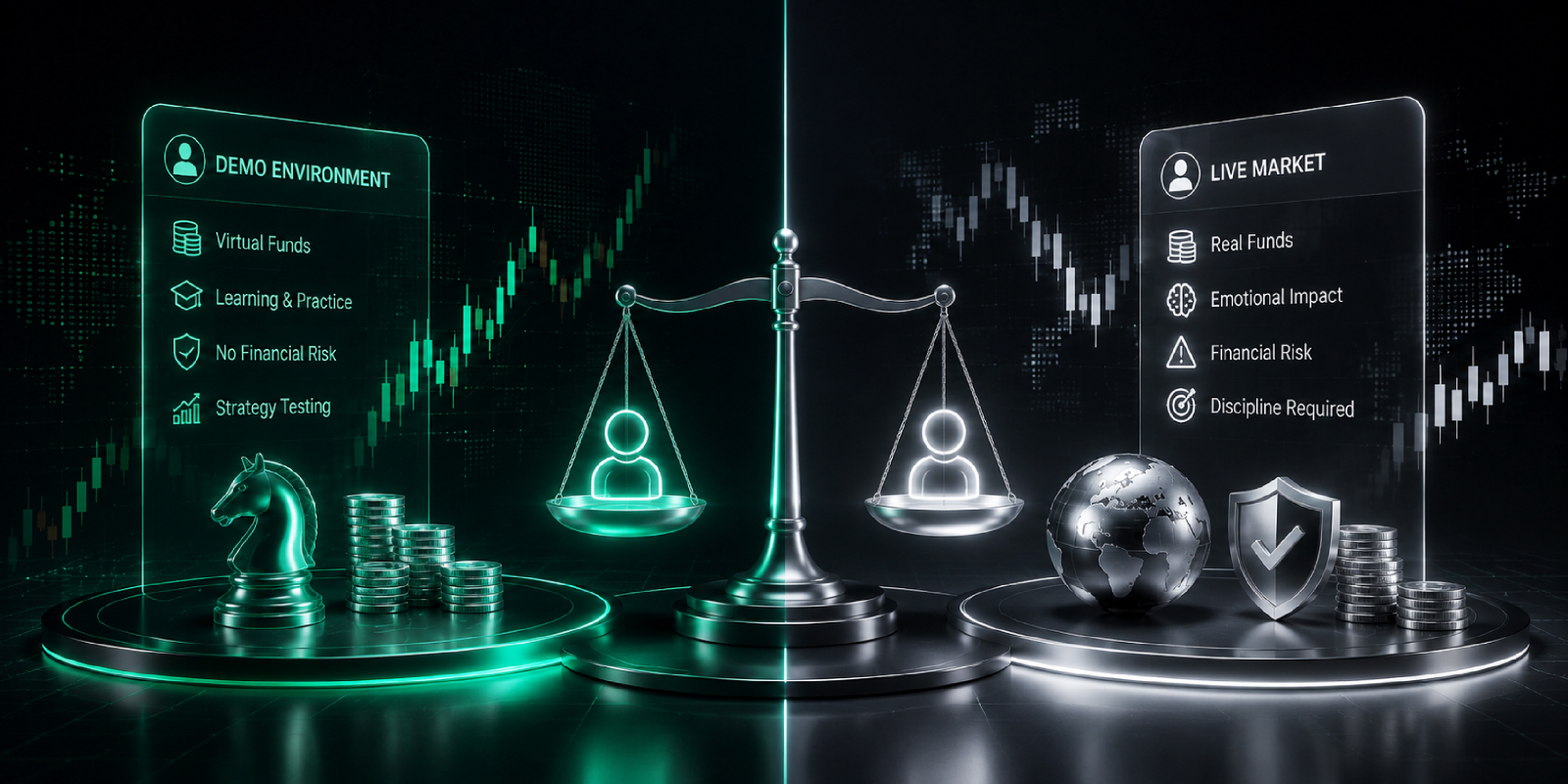
Although demo accounts closely resemble real market environments, there are important differences.
-
Emotional Factors
Virtual funds do not create the same psychological pressure as real capital.
-
Risk Perception
Traders often take larger risks in demo environments than they would in live accounts.
-
Decision-Making
Real financial consequences can influence behavior and discipline.
Because of these differences, demo trading should be viewed as a learning tool rather than a perfect representation of live market experience. The transition from demo trading to live trading often requires adjustments in mindset and risk management.
Good Habits
Building Good Habits Early
One of the greatest advantages of demo trading is the opportunity to establish positive trading habits. These habits may include:
-
●
Following a trading plan
-
●
Managing risk consistently
-
●
Using stop-loss orders
-
●
Keeping a trading journal
-
●
Reviewing performance regularly
Developing discipline before trading with real funds can help create a stronger foundation for long-term market participation. At FISG InterStellar Group, we encourage traders to focus on education and preparation rather than rushing into live trading.
Broader Learning
Learning Beyond the Demo Account
While demo trading provides valuable experience, it should be combined with broader financial education. Successful traders often spend time learning about:
-
●
Technical analysis
-
●
Fundamental analysis
-
●
Economic events
-
●
Trading psychology
-
●
Market structure
At FISG, educational resources are designed to complement practical platform experience and support ongoing trader development. Combining knowledge with hands-on practice often creates a more complete learning process.
Going Live
When Should Traders Move to a Live Account?
There is no universal answer to this question. Many traders consider moving to live markets when they:
-
●
Understand platform functionality
-
●
Have developed a trading plan
-
●
Can manage risk consistently
-
●
Feel comfortable with market mechanics
-
●
Have realistic expectations
The goal is not perfection but preparation. Building confidence through education and practice can help traders approach live markets more responsibly.
Final Thoughts
Final Thoughts
When asking, "Does FISG offer a demo account?", traders are often looking for a way to learn and practice before committing real capital. Demo trading provides an opportunity to explore financial markets, develop strategies, and become familiar with trading platforms in a simulated environment.
At FISG InterStellar Group, traders can access MT4 and MT5 while utilizing educational resources designed to support ongoing learning and skill development. Whether you are completely new to trading or an experienced trader testing new strategies, a demo account can be a valuable step toward building confidence and understanding market behavior.

Risk Disclaimer: Forex and CFD trading involve substantial risk and may not be suitable for all investors. Past performance and simulated results do not guarantee future outcomes. Always ensure you fully understand the risks involved before participating in financial markets.
Found this article helpful?
Share it with your trading community
Related Articles
-
go to article
 CFD Trading with High Leverage: Opportunities, Risks, and Best Practices
-
go to article
 Best CFD Broker 2026: What to Look for in a Modern Trading Platform
-
go to article
 How to Trade CFDs for Beginners: A Practical, Risk-Aware Guide


